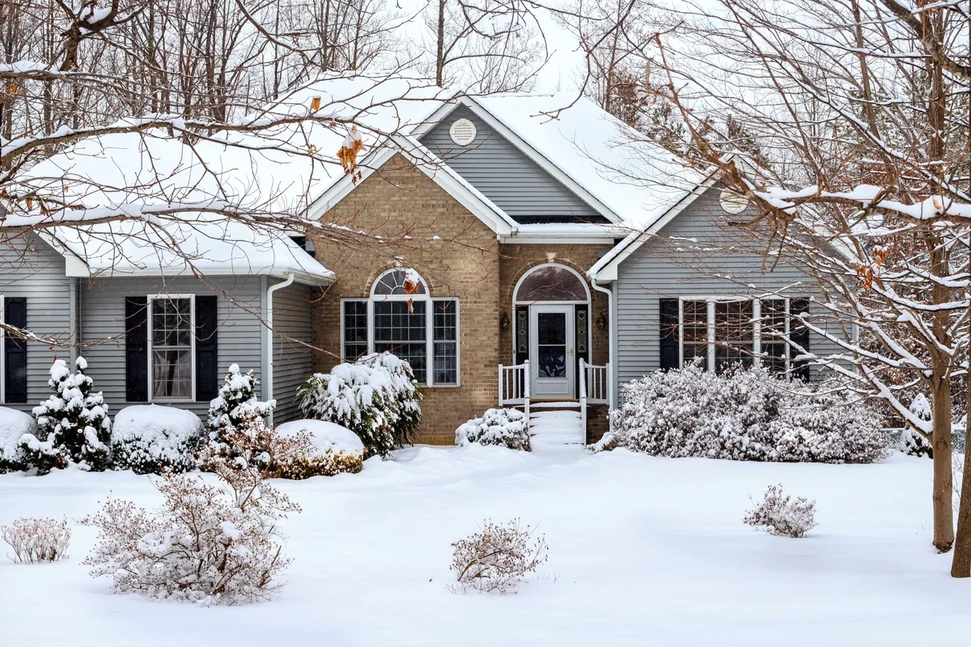
In the United States, a winter storm watch indicates
As a winter storm watch is announced, time becomes even more precious. Snowfall, ice accumulation, freezing rain, or high wind can have a quick, devastating effect on power, water, and personal security. Effective preparation, undertaken quickly and efficiently, will have a tremendous impact in protecting your home from any serious damage or keeping you, your family, and your home secure, warm, and comfortable during this storm. Below is a quick, easy preparation plan for protecting your home before a winter storm hits.
Comprehend What a Winter Storm Watch Means
A winter storm watch means there is the potential for hazardous winter weather over the next 24 to 48 hours. Even though the specific conditions are not guaranteed, the time frame gives a good opportunity to get prepared. Taking action on time is crucial since items are selling out rapidly, and the road conditions could worsen than anticipated.
Your Home Exterior Must Be Secured Immediately
Begin by addressing areas of your house most affected by the storm. Preparation on the exterior of your home can eliminate potential disasters when the storm arrives.
Check and remove debris from gutters and downspouts to discourage ice dams and water accumulation.
Bring in or secure outdoor furniture, décor, trash receptacles, and tools to prevent damage.
Inspect your roofing for loose or damaged roofing, which may deteriorate in a snow load condition.
Use weather-stripping or caulk around doors and windows to keep the cold out and the warmth in.
If time and safety permit, reduce any weak or lower branches on the trees near your dwelling.
These can be accomplished in a matter of a few hours and still offer a good amount of security against computer viruses, spyware, and other
Prepare for Power Outages
Winter storms most often result in power failures because of ice-covered lines and high winds. Preparation for the time an outage occurs will ensure safety and continuity.
Charge all necessary devices, including your phone, power bank, laptop, and other medical equipment.
Stock flashlights and extra batteries. Avoid using candles, as they have a fire hazard.
Test backup power sources, such as generators or battery systems, and ensure proper ventilation if used.
Trim your thermostat a notch higher before the storm so it will retain warmth longer when the power does go out.
If you use electricity for any medical device, please make sure that you have a backup plan for a power outage now.
Protect Your Plumbing System
One of the most frequent and expensive types of winter storm damage is frozen pipes. Preventative measures can prevent thousands of dollars in damage.
Wrap exposed pipes, especially in the basement, crawl space, garage, and exterior walls.
Leave faucets dripping a little to keep water flowing and thus prevent the likelihood of freezing.
Identify the location of your principal shut-off valve in the event of a burst pipe.
Leave the cabinet doors underneath sinks open to circulate warm air.
In non-freezing weather, unexpected falls in temperature can sometimes cause pipe freezing.
Effective Storage of Stock Emergency Items
You will not necessarily need to stock up, but you will need to be prepared to survive for a period of at least 72 hours without any outside help.
Necessary supplies are:
- Bottled water (one gallon per person per day)
- Non-perishable food items
- Manual can opener
- Prescription drugs, basic first-aid kit items
- Blankets, clothing, gloves, and hats
- Pet food and supplies
- Snow shovel & ice melt
Store supplies in one place where they can be easily located, even in a low-light setting.
Prepare Your Heating System
Your heating system is the first line of defense against the weather conditions in winter.
Check the furnace filters and replace them if they are dirty.
Make sure that the vents and radiators are clear.
Alternative heat sources should be available, like space heaters designed for indoor use, but never use outdoor heaters indoors.
Discuss fire safety measures, such as functional smoke and carbon monoxide detectors.
The danger of carbon monoxide poisoning is greater in the winter months when people rely more on their heating systems.
Protect Your Vehicles and Garage

If you have a garage, use it. If not, act quickly to take protective measures.
Make sure your gas tank is filled to avoid fuel line freezing.
Keep an emergency car kit, including such things as blankets, jumper cables, an ice scraper, and a flashlight.
Parking in the shade of trees or power lines is best avoided.
Check the window washer fluid and make sure it is winter formulations.
Refrain from traveling once a storm has started.
Check Your Family and Communication Plans
“Preparation, far from being physical in nature, is organizational as well.”
Discuss a plan for emergencies with household members. This plan should include the locations of stored supplies.
If relatives are being separated, a communication plan needs to be organized.
Keep track of weather updates via official notifications.
Check on neighbors, especially senior citizens and disabled people, to see if it can be done safely.
Promoting clear communication will avoid creating panic during emergencies.
Final Checklist for Last-Minute Preparation
“Before conditions deteriorate, here is a quick checklist to go through:”
- Exterior items acquired
- Devices, fully charged
- “Emergency supplies stocked”:
- Pipes safeguarded
- “Heating system functioning,”
- Vehicles ready
This will make sure that no important step in the process goes unchecked.
Conclusion
What it means to prepare your home quickly for a winter storm watch is efficiency and prioritization. If you take the steps necessary to secure your home on the exterior, your electricity, plumbing, essentials, and communications, you can avoid the wintertime woes associated with bad weather conditions with ease. What you do today can mean everything tomorrow. threats..
