Introduction: Why Energy Efficiency Matters
Energy bills continue to rise worldwide, driven by inflation, climate change, and increasing demand on power grids. For homeowners, this creates both a financial and environmental challenge. According to the U.S. Energy Information Administration, the average American household spends over $2,000 annually on energy costs.
Smart home technology already offers solutions through automation and monitoring, but the integration of artificial intelligence (AI) takes savings to a new level. AI doesn’t just follow preset schedules—it learns, adapts, and optimizes energy consumption in real time, ensuring both comfort and cost reduction.
How AI Optimizes Energy Usage
Learning Your Habits
AI-powered smart home systems analyze patterns of occupancy, device use, and temperature preferences. Over time, they adjust heating, cooling, and lighting to reduce unnecessary energy use without compromising comfort.
Expert insight: Dr. Mark Evans, an energy systems researcher at MIT, notes, “AI is uniquely positioned to understand household behavior. Instead of relying on rigid schedules, it continuously learns and improves efficiency.”
Predictive Adjustments
Unlike traditional thermostats, AI-based climate control predicts when to heat or cool rooms. For instance, if you usually arrive home at 6 PM, the system starts adjusting conditions beforehand, reducing wasted energy while keeping the home comfortable.
Device Coordination
AI coordinates multiple devices simultaneously. It can dim lights, pause appliances during peak hours, and switch to renewable energy sources when available, all without user intervention.
Key AI Applications in Smart Homes
Smart Thermostats
Devices like Google Nest or Ecobee use AI to cut heating and cooling costs, which make up nearly 50% of home energy bills. Studies show that AI thermostats reduce energy consumption by 10–15% annually.
Intelligent Lighting
AI systems adjust brightness based on natural light availability and occupancy. In some cases, this has been shown to lower lighting costs by up to 30%.
Smart Appliances
AI-enabled washing machines and dishwashers can schedule cycles during off-peak hours when electricity rates are lower, helping homeowners save money while reducing strain on the grid.
Real-World Examples of AI Savings
Case Study: Suburban Family Home
A family in Texas installed AI-driven energy management systems and cut their annual electricity bill by 18%, primarily through optimized HVAC use and smart scheduling of appliances.
Case Study: Urban Apartment Complex
In a New York high-rise, integrating AI-based lighting and occupancy sensors reduced communal energy costs by 22%, saving thousands for building management.
Midpoint Reflection: AI as a Personal Energy Consultant
What sets AI apart is its ability to act like a personal energy advisor, always monitoring and adjusting in the background. Instead of manually programming dozens of devices, homeowners can rely on AI to optimize performance.
In fact, many homeowners experimenting with automation will occasionally turn to tools like https://overchat.ai/ for guidance on how to make their energy systems smarter and more efficient. This blend of expert input and adaptive technology ensures savings without sacrificing convenience.
Challenges and Considerations
Privacy Concerns
AI requires data—on habits, occupancy, and even device usage. Homeowners must ensure their systems comply with data protection standards and avoid unnecessary sharing.
Upfront Costs
Installing AI-powered devices can be expensive. However, long-term energy savings often offset these costs within a few years.
Complexity and Overreliance
Some users worry about becoming too dependent on automated systems. Experts recommend maintaining manual overrides and periodic reviews of AI settings.
The Future of AI in Energy Management
Integration with Renewable Energy
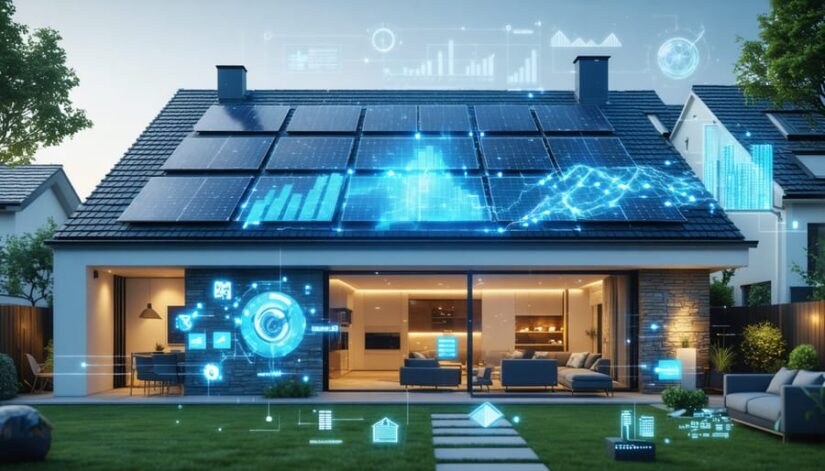
As more households adopt solar panels or home batteries, AI will manage when to store, use, or sell energy back to the grid, maximizing both sustainability and cost savings.
Demand Response Participation
AI will help homes participate in utility demand response programs, adjusting energy use during peak hours in exchange for financial incentives.
Community-Level Optimization
In the future, AI could coordinate across entire neighborhoods, balancing loads to prevent blackouts and reduce carbon footprints collectively.
Expert forecast: A McKinsey report projects that AI-powered energy management could reduce residential electricity consumption globally by up to 15% by 2035.
Best Practices for Homeowners
- Start with High-Impact Areas – Focus on HVAC and lighting, which consume the most energy.
- Monitor Performance – Regularly review energy dashboards to see where savings occur.
- Keep Security in Mind – Update firmware, use strong passwords, and understand your system’s data policies.
- Combine with Renewables – Pair AI with solar or wind systems for greater efficiency.
- Balance Comfort and Savings – Ensure AI settings align with family needs, not just financial goals.
Conclusion: Smarter Homes, Lower Bills
AI represents the next frontier in home energy efficiency. By learning habits, predicting needs, and coordinating devices, AI helps households cut costs while reducing environmental impact.
The key is not just adopting new gadgets but integrating them wisely—ensuring privacy, maximizing savings, and maintaining flexibility. For homeowners seeking lower bills and a greener footprint, AI is less of a futuristic luxury and more of a practical necessity.
The message is clear: AI doesn’t just make smart homes smarter—it makes them more sustainable and affordable for everyone.
