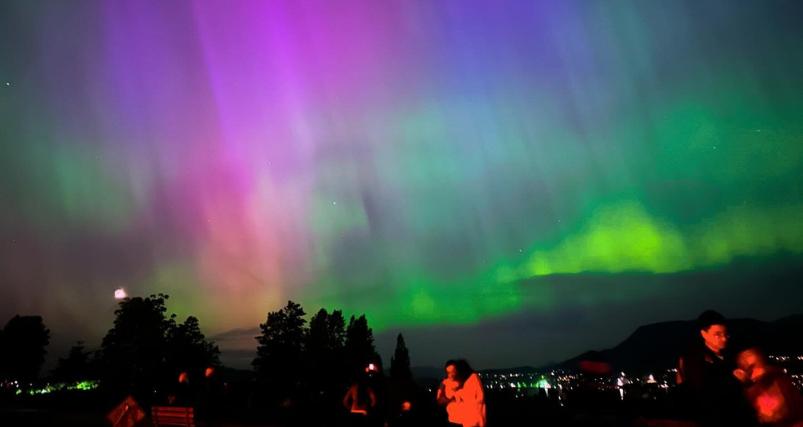
While seeing the Northern Lights Vancouver is possible, it is relatively rare and will highly depend on timing, solar activity, and specific conditions. Here is a clear, practical breakdown.
Best Time of Year to See the Northern Lights Vancouver
The best time of the year is:
From late September to March
During these months:
Nights are longer and darker.
The sky is more likely to be clear.
Solar activity is more readily apparent against the dark sky.
Winter offers the best odds, even though sightings remain infrequent this far south of Vancouver’s latitude.
Best Time of Night
If the aurora does appear, the best time to view it will be between:
10:00 PM and 2:00 AM
Peak activity often occurs around midnight, though strong geomagnetic storms can produce earlier or later displays.
“The importance of the sun far outweighs that of the
Since Vancouver is well to the south of where aurora visibility is common, it generally requires:
Extremely high clouds to block
A powerful geomagnetic storm (KP index of 6 or higher)
High activity in solar flares or coronal mass ejections
The period from 2024 to 2026 represents a highly favorable phase because of the solar maximum that is presently being witnessed, which enhances the occurrence and brightness of auroral events.
Best Viewing Conditions
To maximize your chances:
Check for the presence of clear skies.
Avoid nights when the full moon is bright.
Avoid traveling through
Try to get out from under the city lights.
Many viewing locations, like those in the
If the circumstances are suitable, move towards:
- Cypress Mountain
- Squamish Area
- Fraser Valley
- Northern Vancouver Island (Better Odds)
Even a short car ride outside light pollution can make a difference.
Knowing When to Go Out
There are different scenarios under which to go out.
As auroras are rather unpredictable, the best course of action is to monitor alerts.
Forecasting KP index values
Allow Aurora notifications through weather or space weather apps.
Consult regional astronomy or weather groups.
A strong warning of a geomagnetic storm is always the signal to try.
Expectations Regarding Visuals
In Vancouver, auroras can occur:
As faint green or grayish arcs
Low on the Northern Horizon: Profiles in Dissent
Less vibrant than other images taken in Northern Canada or Alaska.
More color is picked up by cameras than human eyes in southern areas.
Conclusion
VISITING VANCOUVER ‘CAUSE YOU CAN SEE THE NORTH
Best Season: September to March
Best time: 10 PM – 2 AM
Best years: 2024-2026.
Best view: Strong geomagnetic storms – areas not illuminated by urban lights
Although encounters are rare, planning and timing can make a fleeting chance an event to remember.
