Introduction
Teachers in primarily tech-infused classrooms are always looking for more ways to promote engagement and active learning in their lessons. Blooket has already made learning fun and games for the students with its interactive quizzes in an easy to navigate competitive format. However, an increased topic of conversation among educators has been BlooketBot, a series of online automation tools that interact with Blooket games. While it raises some ethical considerations, discussing BlooketBot functions could also help teachers better understand, monitor, and optimize the experience in a digital classroom.
What Is BlooketBot?
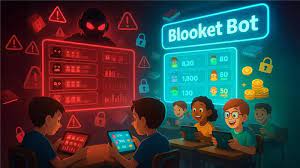
BlooketBot is an unofficial “bot” or automation system created by third parties. It can:
- Automatically answer questions in Blooket games
- Flood game lobbies with fake players
- Unlock or change rewards in the game
- Simulate multiple players all at once
While it seems clear this would not be an acceptable thing to do in a classroom, understanding the tools available, and how similar tools function, can help teachers enforce expectations around classroom management and student misuse.
Why Teachers Should Care About Insights from BlooketBot
In most circumstances, educators may think why should we care about something perceived as disruptive. However, these insights from BlooketBot offer incredible opportunities for learning about:
Digital Citizenship – students will learn ethical technology usage, including why fair play and data safety matter.
Cybersecurity Awareness – discussing why educators can talk about online dangers, risks of phishing sites, and how bad actors utilize bot technology to take advantage of game systems.
Promoting Integrity in Games – educators will understand how bots manipulate the games. With this information, educators know how to safeguard their game sessions against bot usage and promote regular human participation in games enjoyed by students.
How to Use Insights from BlooketBot to Enhance Teaching
1. Reinforcing Responsible Technology Usage
Share the topic for additional learning. When discussing utilization of a bot or cheat, explain to the student why this usage reinforces disruptive factors like team play, honesty, and learning. You can connect Blooket-Bot stories to digital citizenship standards or online ethics lessons.
2. Monitoring Game Sessions More Effectively
Understanding that bots can invade public Blooket lobbies, we know teachers can; (1) use private game codes that keep kids internal to the classroom only, (2) set time limits and or settings of a “teacher host,” (3) instantly remove suspicious players before games begin.
These are practical ways to foster a safe and fair environment for every student.
3. Incorporate Critical Thinking
Ask students to assess how automation like bots interacts with fairness and competition in gaming. Ask them to question:
“If an AI tool can win a quiz, what does that say about how we design our questions?”
This will help create this deeper reflection with regard to AI, ethics, and creativity.
4. Elevate Classroom Participation
Rather than taking shortcuts, leverage BlooketBot’s speed and data patterns to strengthen your own teaching game design.
For example:
- Combine both timed challenges with collaborative team modes.
- Add some reflections questions that slow the pacing during review rounds.
- Utilize post-game analytics to determine where students struggle the most.
Best Practices for Using Blooket Safely and Smartly
To get the most out of Blooket while also being safe:
- Host games privately and never post join codes publicly.
- Remind students they should not download the BlooketBot extension, which may involve downloadable malware and phishing scripts.
- Encourage students to play fair, and make integrity part of your classroom culture.
- Make sure browsers are updated and prevent bots at school by blocking URLs – the apps are useless when blocking them!
Overall, if you consider these tips above, you will have fun while keeping your classroom safe.
Transforming Insights into Action
Instead of seeing these bots as a liability, teachers can leverage these bots into case studies for constructing smarter, more resilient digital classrooms. Through openly discussing BlooketBot with students we support their understanding of:
- How automation works
- Why cybersecurity is important
- How to value fair, human learning experiences
By converting these insights into interactive lessons and activities, we turn what seems like a simple gaming concern into an opportunity to facilitate deeper digital learning.
Conclusion
BlooketBot Insights remind us that the 21st-century classroom is not about the tools — it’s about understanding how technology works. When teachers engage with timely and proactive information, they can protect valuable learning spaces, foster ethical conversations, and increase student engagement. By turning potential disruptions into learning moments, educators enable their students to work ethically and creatively when engaging with technology.
